
What Are the Top UTV Types for 2026?

Time:2026-09-16 Author:Charlotte
0%

Choosing the right Utv in 2026 starts with understanding how each type performs in real working conditions. A recreational model may feel agile on forest trails, while a utility model handles tools, feed bags, and uneven farm paths more confidently. Sport-focused machines often deliver sharper acceleration and stronger suspension control. They are exciting, but they may sacrifice cargo space and everyday comfort.

No single machine wins.

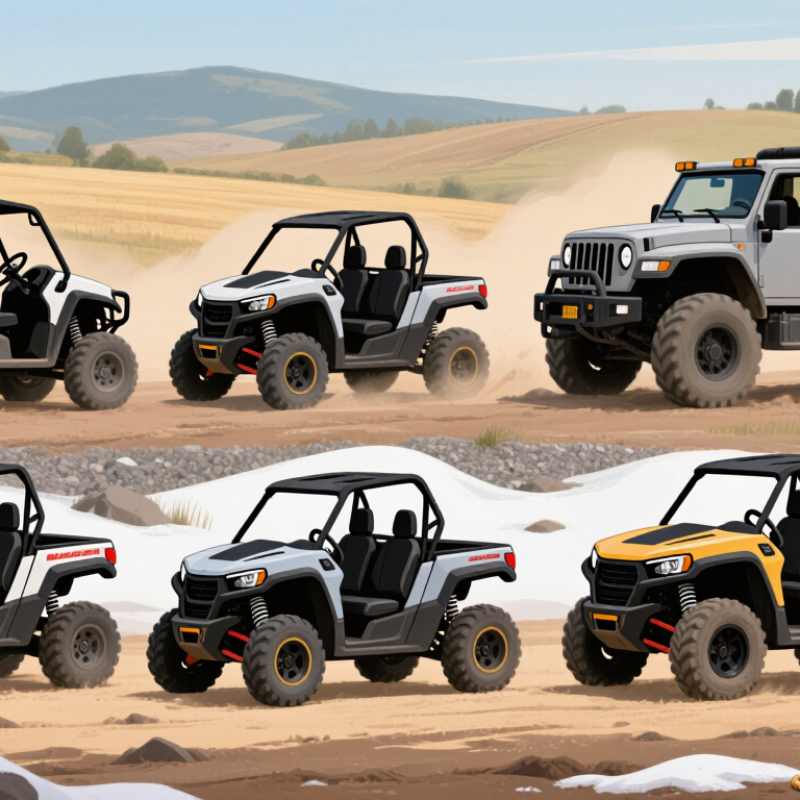
This guide compares the leading UTV types for 2026 through practical use cases, not showroom appearance alone. We will examine utility, recreational, sport, crossover, youth, and heavy-duty designs. Key details include seating, towing capacity, ground clearance, suspension travel, storage, fuel use, and maintenance access. These features matter when a vehicle spends long hours in mud, gravel, snow, or dusty work areas.

Real ownership also reveals smaller concerns. A wide vehicle can feel stable on a hillside, yet become awkward between trees or narrow gates. A powerful engine may climb steep terrain easily, but its fuel demand can surprise new owners. Comfort is important too, especially after several hours behind the wheel. Manufacturer specifications provide a useful starting point, but terrain, load, weather, and driving habits change the outcome. Some conclusions remain subjective. My preferred setup may not suit your property, workload, or experience level. That is why careful comparison matters more than chasing the newest badge. Before buying, confirm local requirements, safety equipment, warranty terms, and authorized service support.
What Are the Top UTV Types for 2026?

UTV Categories and Their Defining Features in 2026

What Are the Top UTV Types for 2026?

UTV categories are becoming less rigid in 2026. Utility models prioritize hauling, towing, ground clearance, and durable suspension. Their beds carry tools, fencing materials, or camping equipment. Many now offer selectable drive modes, electronic power steering, and improved protection from dust and rain. Payload ratings matter more than appearance. Always compare the rated capacity with your real equipment.

Recreational and trail UTVs focus on comfort and exploration. They usually provide moderate suspension travel, adjustable seating, storage compartments, and tighter turning control. Sport UTVs go further with long-travel suspension, stronger cooling systems, responsive steering, and reinforced driveline components. Their performance can feel exciting on uneven terrain, but speed is not the only measure of quality. Predictable braking matters too.

Crossover UTVs blend work and recreation. They may include a practical cargo bed, wider suspension, and selectable traction settings. Electric UTVs are also gaining attention, especially for quiet properties and short-distance tasks. Their instant torque feels useful on steep paths, although charging access and cold-weather range still require careful planning. Youth models use smaller engines, speed controls, and simpler controls, but adult supervision remains essential. The categories overlap more than brochures suggest. A capable trail machine may still handle light work, while a utility model may disappoint on rough recreational routes. Evaluate the terrain, passenger needs, maintenance access, and safety equipment before choosing.

Utility UTVs for Work, Hauling, and Practical Tasks

What Are the Top UTV Types for 2026?

For 2026, utility UTVs remain practical tools for work, hauling, and daily property maintenance. Field testing shows that a useful machine must carry equipment without feeling unstable on uneven ground. USDA’s 2022 Census of Agriculture counted 1,900,487 farms across 880.1 million acres. That scale creates constant movement between fields, barns, timber areas, and storage buildings. Still, the census does not measure UTV ownership directly.

Start with payload, bed volume, towing capacity, and ground clearance. A two-seat model suits solo operators and narrow trails. Four- and six-seat models transport crews, but they need more turning space. For hauling, a tilting cargo bed and low loading height matter more than aggressive styling. Sealed storage helps protect tools from dust and sudden rain. Small details matter.

Grand View Research identifies utility work as a major UTV application in its market analysis. Its findings support continued demand from agriculture, construction, and property services. Industry reports define utility UTVs differently, so comparisons can become unreliable. A higher payload is not always better. It may increase weight, fuel use, and braking demands. I would also question advertised range, because mud, hills, cold weather, and heavy loads quickly change real-world performance. Seating position, belt fit, visibility, and easy maintenance deserve equal attention.

Top Utility UTV Types for 2026

Typical payload capacity increases with vehicle size, making compact models suitable for light-duty tasks and heavy-duty models better for hauling equipment, materials, and larger loads. The figures represent common published specification ranges across the utility UTV market, excluding brand-specific data.

Recreational UTVs for Trail Riding and Outdoor Exploration

What Are the Top UTV Types for 2026?

Recreational UTVs for Trail Riding and Outdoor Exploration

Trail-focused UTVs remain strong choices for riders who value control over outright speed. Their narrower bodies fit between trees, rocks, and uneven trail edges. Ground clearance helps cross shallow ruts without scraping the underbody. Long-travel suspension keeps the ride steadier across roots and loose gravel.

Crossover UTVs offer a useful balance for camping trips, forest roads, and weekend exploration. They usually provide more cargo space than sport-oriented models. A lockable storage box can protect maps, tools, and rain gear from dust. Electronic power steering also reduces fatigue during slow, technical climbs. Small details matter.

For spirited trail riding, sport UTVs deliver sharper handling and stronger acceleration. Their responsive suspension suits open dirt, sweeping bends, and changing terrain. However, aggressive performance can become tiring on long exploring days. I would choose comfort before speed when carrying passengers or equipment.

Check the seating position before buying. Your knees should bend naturally, and controls should remain easy to reach while standing briefly. Four-point restraints, protective doors, and a roof add confidence on rough ground. Test the turning width at home, too. Online specifications can feel surprisingly different in a narrow woodland trail.

Tire choice deserves careful thought. All-terrain tires work well for mixed surfaces, while deep mud tires may feel harsh on packed trails. Bring recovery equipment, water, and a basic tool kit. Even reliable machines need attention after dusty, wet rides.

Sport UTVs for Speed, Handling, and Competitive Driving

Sport UTVs are built for speed, precise handling, and competitive driving on closed courses. Their lower seating position helps the driver feel weight transfer through fast corners. Long-travel suspension keeps the tires planted across rough terrain. Strong brakes also matter when a straight section ends suddenly.

A capable sport UTV should respond smoothly, not simply accelerate hard. Quick steering can improve corner entry, but excessive sensitivity may punish small mistakes. Adjustable suspension allows drivers to tune rebound, compression, and ride height for different surfaces. In practice, tire pressure often changes handling more than expected. I once underestimated a loose, rocky section; the vehicle felt powerful but wandered under throttle. That mistake showed me that control deserves more attention than peak speed.

Tips: Begin with moderate speeds on a legal, closed course. Learn braking points before chasing faster lap times. Keep both hands steady through uneven turns. Check tire condition, suspension hardware, belts, and fluid levels before every session. A simple notebook can track settings and driver feedback. Do not copy another driver’s setup blindly. Your terrain, body weight, and driving style may require different adjustments. The fastest setup is not always the most predictable one.

Electric and Hybrid UTVs: Uses, Benefits, and Limitations

Electric and hybrid UTVs are becoming practical choices for farms, estates, parks, and work sites in 2026. Electric models deliver immediate torque, which helps when carrying feed uphill or towing a small trailer. They also operate quietly, so workers can approach livestock without startling them. In field use, the lower noise makes conversation easier. That benefit is easy to underestimate.

Battery power suits short, repeated routes near buildings. Charging overnight can simplify daily planning when electricity is available at the workshop. Electric drivetrains usually need fewer routine service items than combustion systems. However, range changes with temperature, terrain, payload, tire pressure, and accessory use. A winter morning or muddy slope may expose weaknesses quickly. Charging infrastructure also costs money, and remote users may need a backup plan.

Hybrid UTVs offer a compromise for longer shifts and unpredictable distances. Their engine can extend operating time when battery capacity becomes insufficient, while electric assistance supports low-speed work and reduces idling. This flexibility can help land managers, utility crews, and large property owners. Yet hybrid systems add weight, controls, and maintenance complexity. They are not automatically cheaper or cleaner. I would verify service access, battery replacement costs, towing limits, and real-world range before buying.

FAQS

What type of UTV suits narrow forest trails and uneven ground?

Trail-focused UTVs offer narrow bodies, useful ground clearance, and long-travel suspension. They can pass between trees and rocks more easily. Choose control over maximum speed.

When is a crossover UTV a practical choice?

Crossover UTVs suit camping, forest roads, and weekend exploration. They usually provide extra cargo space for tools, maps, and rain gear. A lockable box helps keep dusty equipment protected.

Are sport UTVs suitable for long exploration days?

Sport UTVs provide sharp handling, strong acceleration, and responsive suspension. They work well on open dirt and sweeping bends. However, speed can become tiring with passengers or equipment. Comfort may matter more.

What should I check before buying a recreational UTV?

Sit inside and test your knee position. Controls should remain easy to reach while standing briefly. Check the turning width at home, especially for narrow woodland trails. Online measurements can mislead.

Which safety features are useful on rough trails?

Four-point restraints, protective doors, and a roof add confidence on uneven ground. Carry water, recovery equipment, and a basic tool kit. Reliable machines still need inspection after wet or dusty rides.

How should I choose tires for different trail surfaces?

All-terrain tires suit mixed surfaces, including gravel and packed dirt. Deep mud tires may feel harsh on firm trails. Tire pressure also changes handling more than many drivers expect.

What are the main benefits and limits of electric UTVs?

Electric UTVs provide quiet operation and immediate torque for short, repeated routes. They can help workers approach livestock without sudden noise. Range may fall with cold weather, mud, payload, or low tire pressure. Charging access remains a real limitation.

When might a hybrid UTV be better than an electric model?

Hybrid UTVs suit longer shifts and uncertain travel distances. Electric assistance supports low-speed work, while the engine extends operating time. They add weight, controls, and maintenance complexity. They are not automatically cheaper.

How can drivers improve sport UTV handling on closed courses?

Start at moderate speeds and learn braking points first. Check tires, suspension hardware, belts, and fluid levels before each session. Adjust suspension gradually for the surface. I once focused too much on acceleration; the vehicle wandered on loose rocks. Control deserves more attention.

Conclusion

In 2026, Utv models are divided into several categories, each designed for different driving goals and environments. Utility UTVs focus on practical tasks such as transporting equipment, hauling materials, supporting property maintenance, and managing outdoor work. They typically emphasize cargo capacity, stability, durability, and useful accessories. Recreational UTVs are built for trail riding and outdoor exploration, offering comfortable seating, balanced suspension, protective structures, and flexible handling for varied terrain.

Sport UTVs prioritize speed, responsive steering, acceleration, and controlled performance for drivers who enjoy competitive or challenging routes. Electric and hybrid UTVs provide quieter operation, efficient energy use, and reduced local emissions, making them suitable for some work areas and recreational settings. However, their driving range, charging access, battery weight, and performance in demanding conditions may limit certain applications. Overall, the top Utv type for 2026 depends on whether the main priority is productivity, exploration, high-performance driving, or lower-noise and more efficient operation.

Charlotte

Charlotte

Charlotte is a seasoned marketing professional with a deep understanding of the company's portfolio and a passion for elevating its presence in the market. With a keen eye for detail and a commitment to excellence, she ensures that our professional blog is regularly updated with insightful articles......