
How to Choose the Best Farm UTV for Your Needs?

Time:2026-10-21 Author:Oliver
0%

Choosing the right Farm Utv begins with the work it must perform every day. A machine carrying feed across muddy pasture needs different strengths than one hauling fencing, firewood, or harvested crops. Payload capacity matters. So does towing power, ground clearance, turning radius, and bed length. A comfortable seat helps during long inspection routes. It does not replace dependable four-wheel drive.

Agricultural machinery consultant Tom Fraser explains, “The best UTV is the one that earns its keep every day.” That practical view keeps the buying decision grounded. A powerful engine can seem attractive, but excessive speed may matter less than low-speed control and stable handling. Farmers should also inspect the suspension, braking system, protective structure, tire pattern, and available attachments. Small details become important when the vehicle works before sunrise, in rain, or beside uneven animal pens.

Budget deserves an honest look. The purchase price is only one part of ownership. Fuel, maintenance, replacement tires, insurance, storage, and seasonal servicing can change the real cost. Dealer support matters too, especially when a belt, battery, or drive component fails during a busy week. There is no perfect Farm Utv. I may even favor more capacity than some small farms need. That choice could waste money. The better approach is to measure typical loads, terrain, and daily distance before comparing models. This guide examines those practical details, while recognizing that real farms rarely match neat specifications.
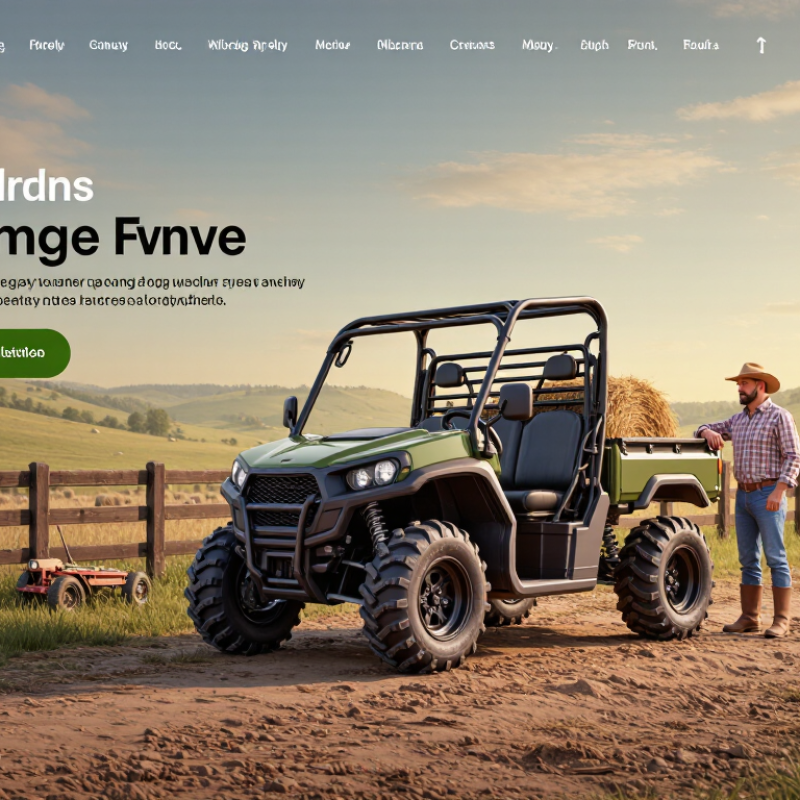
How to Choose the Best Farm UTV for Your Needs?

Define Your Farm Tasks and UTV Usage Requirements

Choosing the best farm UTV starts with defining the work it must perform. Walk through your property and list daily tasks, seasonal jobs, and difficult access points. A hay operation may need towing power, while a vegetable farm may value a narrow body and gentle ground clearance. Note distances, slopes, muddy areas, and storage locations. Do not guess.

Write down typical loads, not only maximum loads. Include feed bags, tools, fencing materials, water tanks, and passengers. Check the manufacturer’s rated payload and towing limits before comparing models. A machine that handles one heavy trailer may feel oversized for routine inspection work.

On my own test routes, turning space mattered more than expected. A wide vehicle struggled near greenhouse posts.

Consider how and where people will drive. Will the UTV operate before sunrise, during rain, or across uneven fields? Useful requirements may include lighting, weather protection, four-wheel drive, ground clearance, and secure cargo storage. Match the seating layout to real use, not occasional wishes. Extra seats can reduce bed space.

Maintenance access also belongs on the list. Inspecting belts, filters, tires, and suspension should not require complicated tools. Ask who will operate the vehicle and whether they understand slopes, load balance, and braking distance.

My early estimates ignored operator training, which caused avoidable delays. A quieter engine may also protect livestock from sudden stress. Keep a simple task log for two weeks; it often reveals needs that memory misses.

Compare UTV Size, Seating, and Cargo Capacity

Choosing the best farm UTV starts with matching its size to your daily routes. A compact model fits between orchard rows and turns easily near sheds. Measure your narrowest gate before shopping. On uneven ground, extra width can become a real inconvenience. That matters.

Seating affects both productivity and control. Two seats leave more room for tools, feed, and protective equipment. A bench-style layout carries an occasional passenger but may feel crowded during long workdays. Four seats help families or crews travel together, yet the longer frame needs more turning space. I once underestimated this difference. The rear wheels repeatedly clipped a muddy bank.

Cargo capacity needs careful reading. Check the rated payload, bed dimensions, and available tie-down points. A large bed is useful, but its weight limit may be lower than expected. Place heavy fencing posts low and close to the center. This reduces body movement on slopes. Separate passenger weight from cargo weight when calculating the total load. Towing capacity also matters, but it should not replace proper bed space. A trailer cannot solve every hauling problem.

For regular feed runs, compare how many bags fit without blocking visibility. For maintenance work, consider a dump bed that lifts smoothly while loaded. Sit in the vehicle with your usual boots and jacket. Controls that seem convenient in a showroom may feel awkward after several hours. Check the owner’s manual for payload limits, tire pressure guidance, and slope precautions before making a final choice.

Evaluate Engine Power, Drivetrain, and Off-Road Performance

Choosing the best farm UTV starts with matching engine power to daily work. A small engine may handle fence checks and light hauling efficiently. Heavier trailers, steep fields, or muddy paths require stronger torque. Horsepower matters, but usable low-speed control matters more. I once underestimated this difference while moving wet feed. The machine managed, but it worked harder than expected.

Drivetrain design directly affects traction and control. Selectable four-wheel drive helps when climbing loose soil or crossing a wet ditch. A locking differential can improve grip when one wheel loses contact. Still, more traction does not replace sensible driving. Check ground clearance, tire tread, suspension travel, and braking response. On rocky ground, a smooth suspension can protect both the cargo and the operator. Test turning space, too. Farm lanes are often narrower than they appear.

Tips: Test the UTV with realistic cargo, not an empty bed. Drive slowly across a slope and listen for unusual vibration. Check whether controls remain easy to reach while wearing gloves. Review towing limits from the manufacturer’s manual. Do not choose maximum power automatically; fuel use, maintenance access, and operator experience also deserve attention.

How to Choose the Best Farm UTV for Your Needs?

Evaluate engine power, drivetrain, and off-road performance. The chart compares representative farm UTV engine classes using typical rounded horsepower figures from commonly published specifications.

Smaller engines are suitable for light hauling and routine property work. Mid-size engines offer a practical balance of fuel economy and capability, while high-output engines are better suited to steep terrain, heavy loads, towing, and frequent use of four-wheel drive.

Check Safety Features, Comfort, and Maintenance Needs

How to Choose the Best Farm UTV for Your Needs?

Safety should guide every farm UTV decision. Check for a certified rollover protective structure, three-point seat belts, side guards, and reliable lighting. A strong parking brake matters on sloped ground. The U.S. Consumer Product Safety Commission reported 93,800 ATV-related emergency department injuries in 2021. UTVs differ from ATVs, but the warning remains relevant. Rollover protection only works when occupants remain inside the protective zone. OSHA also recommends seat belts and rollover protection for utility vehicles used at work.

Comfort affects control during long days. Sit in the vehicle wearing work boots and a winter jacket. Test pedal spacing, steering effort, visibility, and seat adjustment. Look for low vibration, weather protection, and simple controls. A quiet cabin is helpful near livestock. It is not always necessary. Farm dust will test every design.

Tips: Ask the dealer for a maintenance schedule before buying. Confirm access to filters, grease points, belts, and battery terminals. Review the owner’s manual, not just the sales sheet. The U.S. Department of Agriculture reports that farms rely heavily on machinery, while maintenance remains a major safety concern. Keep a written inspection log. Check tires, brakes, belts, lights, and steering before use. A machine that looks rugged may still have awkward service points. Test it loaded, if possible. Empty-bed handling can mislead.

Match Your Budget with Long-Term Ownership Costs

How to Choose the Best Farm UTV for Your Needs?

A farm UTV should fit your yearly budget, not just your driveway. The purchase price is only the opening cost. Fuel, insurance, tires, belts, batteries, and scheduled servicing quickly add up. I have seen a low-priced utility vehicle become expensive after repeated repairs and long workshop delays. That experience changed how I compare machines.

Estimate ownership costs for at least five years. Check the service schedule and price common replacement parts before buying. A vehicle used daily may need stronger suspension, better cooling, and easier access to filters. These features cost more initially but can reduce downtime during planting or harvest.

Do not ignore comfort. A seat that causes fatigue may reduce productivity, even if the vehicle performs well. Resale value is useful, but it is never guaranteed.

Tips: Write down your expected annual mileage, load weight, and working terrain. Add fuel, maintenance, tires, and insurance to the monthly payment. Leave room for unexpected repairs. A simple spreadsheet works. Compare realistic numbers, not optimistic guesses. Test the turning radius near gates and inspect ground clearance on uneven paths. I once underestimated tire wear on rocky soil. That mistake was avoidable. Also, ask an independent mechanic to review the maintenance history and parts availability before committing.

FAQS

What safety features should I check in a farm UTV?

Look for a certified rollover protective structure, three-point seat belts, side guards, and dependable lighting. Check the parking brake on sloped ground. Stay inside the protected zone during operation.

How can I judge whether the vehicle feels comfortable?

Sit inside while wearing work boots and a winter jacket. Test pedal spacing, steering effort, visibility, and seat adjustment. Low vibration and weather protection can reduce fatigue. Comfort matters more than I once expected.

Should I test the vehicle with a load?

Yes, if possible. Empty-bed handling can hide changes in braking, steering, and suspension. Add a realistic load and drive slowly near gates or uneven paths.

What maintenance points should I inspect before buying?

Ask for the maintenance schedule and owner’s manual. Check access to filters, grease points, belts, battery terminals, and other service areas. Awkward access can make routine work frustrating.

How often should I inspect a farm UTV?

Inspect tires, brakes, belts, lights, and steering before use. Keep a written log with dates and findings. Small defects can become expensive delays.

What costs should I include in my ownership budget?

Include fuel, insurance, tires, belts, batteries, scheduled servicing, and unexpected repairs. Estimate costs over at least five years. The purchase price is only the opening cost.

How does daily farm use affect my vehicle choice?

Daily use may justify stronger suspension, improved cooling, and easier filter access. Heavy loads and rough terrain can increase tire wear and maintenance. Cheap can become expensive.

What terrain and workload details should I record?

Write down annual mileage, load weight, turning space, and working terrain. Check ground clearance on uneven paths. Rocky soil may wear tires faster than expected. I underestimated that once.

Conclusion

Choosing the best Farm Utv begins with a clear understanding of your daily work. Consider whether you will use it for transporting tools, hauling feed, checking livestock, towing equipment, or traveling across rough and muddy ground. Then compare vehicle size, seating capacity, cargo space, and payload limits to ensure it fits both your property and workload. A compact model may be easier to maneuver, while a larger option can carry more people and materials.

Engine power, four-wheel drive capability, ground clearance, suspension, and braking performance are important for reliable off-road use. Safety features such as seat belts, protective structures, lighting, and stable handling should also be evaluated. Comfortable seating, simple controls, accessible service points, and dependable maintenance support can reduce fatigue and downtime. Finally, compare your budget with long-term ownership costs, including fuel, insurance, servicing, tires, repairs, and accessories. The best choice is one that delivers practical performance, safe operation, and lasting value for your specific farm needs.

Oliver

Oliver

Oliver is a seasoned marketing professional with a wealth of expertise in driving brand awareness and engagement. With a deep understanding of our company's product offerings, he consistently delivers high-quality content that enriches our professional blog. His insights not only shed light on......