
Why Choose Electric Cars for Sustainable Business Solutions?

Time:2026-09-04 Author:Madeline
0%

Electric Cars are becoming essential for sustainable business solutions in today's world. As global trends shift towards reducing carbon footprints, companies are recognizing the need for greener alternatives. A report by the International Energy Agency states that electric vehicle sales surged by 43% in 2020, highlighting an urgent shift in consumer preferences.

The transition to Electric Cars not only aligns with environmental goals but also enhances corporate responsibility. According to a study from McKinsey, businesses that embrace electric mobility stand to save up to $1 million in fuel costs over ten years. This figure demonstrates the financial benefits of investing in Electric Cars. However, challenges remain, such as infrastructure development and initial investment costs, requiring careful planning and strategic implementation.

Adopting Electric Cars raises questions about sustainability practices. Companies must assess their infrastructure capabilities and range anxiety among consumers. This introspective approach can lead to better solutions that balance innovation with community needs. As businesses explore these dynamics, the full potential of Electric Cars in creating a sustainable future becomes clearer.
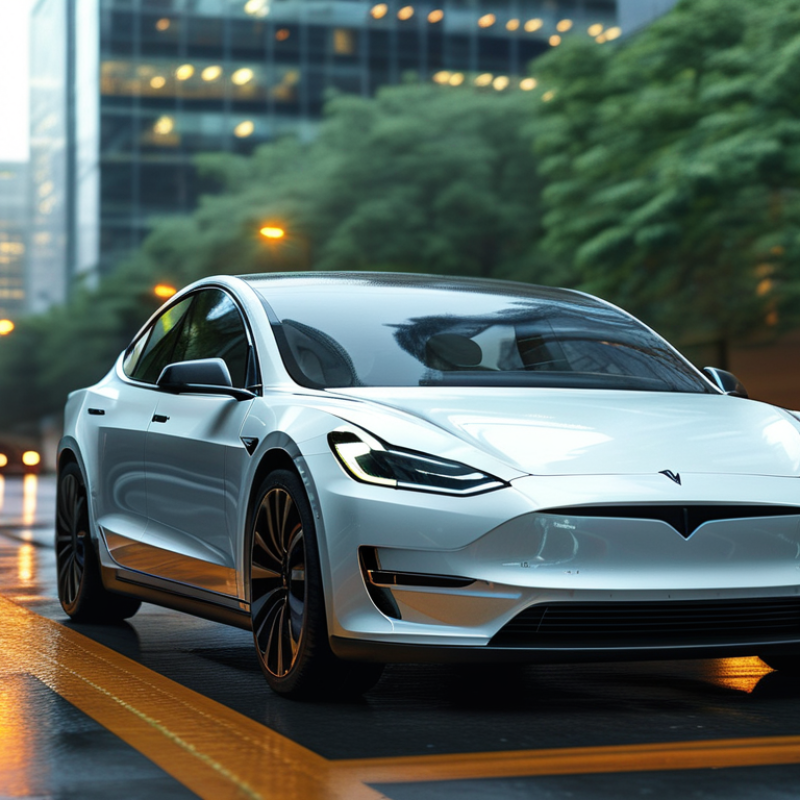
Why Choose Electric Cars for Sustainable Business Solutions?

Benefits of Electric Cars for Environmental Sustainability

Electric cars offer significant benefits for environmental sustainability. Transitioning to electric vehicles (EVs) reduces greenhouse gas emissions. This change can lower air pollution and contribute to a healthier atmosphere. Electric cars operate more efficiently than traditional gasoline vehicles. They convert over 60% of electrical energy into movement. In contrast, gasoline engines only convert about 20% of fuel energy.

Many companies are adopting electric fleets, showcasing environmental responsibility. This shift does not just benefit the planet; it also appeals to eco-conscious consumers. Investing in electric cars can enhance a brand's reputation. However, it's essential to consider the source of electricity. Renewable energy sources should power these vehicles for the greatest impact.

Choosing the right EV can be challenging. Research available options and their environmental ratings. Ensure that maintenance and charging infrastructure are accessible. This can influence the overall sustainability of your business solution. The journey towards sustainability requires commitment and adaptability.

Benefits of Electric Cars for Environmental Sustainability

Cost Savings and Efficiency in Business Operations

Electric vehicles (EVs) offer significant cost savings for businesses aiming for sustainability. Many companies are looking for ways to reduce their operational expenses. Transitioning to electric cars can lower fuel costs substantially. Charging an EV is usually cheaper than traditional fuel. An average business could save thousands annually on fuel alone.

In addition to fuel savings, maintenance costs are generally lower for electric vehicles. They have fewer moving parts compared to gasoline cars. This can lead to reduced repair bills over time. Companies might also benefit from government incentives for using green technology. These incentives can make purchasing electric vehicles more affordable. However, it is essential to analyze the local infrastructure for charging stations. Businesses may need to invest in additional charging solutions. This could impact the initial savings.

Efficiency is another major benefit. EVs often have quicker acceleration. This can improve delivery times. Plus, electric cars operate quietly, enhancing workplace environments. Yet, businesses must consider the charging times and plan accordingly. Relying solely on electric vehicles may require strategic adjustments. Developing a comprehensive plan is crucial for maximizing benefits.

Enhancing Corporate Image Through Eco-Friendly Practices

Electric cars are becoming a cornerstone of sustainable business practices. Businesses that adopt electric vehicles (EVs) not only contribute to reducing carbon emissions but also enhance their corporate image significantly. According to a study by the International Council on Clean Transportation, switching to electric cars can reduce greenhouse gas emissions by over 50% compared to traditional gasoline vehicles. This data underscores the powerful impact that sustainability-oriented choices can have on a company's brand and reputation.

Embracing eco-friendly practices signals to customers and stakeholders that a company is committed to sustainability. A survey by Nielsen indicates that 66% of consumers prefer to purchase from environmentally responsible brands. Companies that market their green initiatives attract not only environmentally conscious consumers but also improve employee morale. Workers tend to feel more pride in companies that take actionable steps toward sustainability.

It’s worth considering how electric vehicles can influence operational costs. While the initial investment might be higher, EVs often require less maintenance and have lower fuel costs. Evaluate your company's travel and operational needs to find the best solution. The transition is not without challenges, such as the availability of charging infrastructure. Companies must plan strategically to overcome potential roadblocks in implementation.

Government Incentives and Support for Electric Vehicle Adoption

Electric vehicles (EVs) offer a path toward sustainable business practices. Governments around the world are actively promoting their adoption. Subsidies, tax credits, and rebates make the transition to electric cars financially attractive for businesses. This support reduces initial costs, making it easier to switch from traditional vehicles.

Navigating government incentives can be tricky. It's essential for businesses to research available programs. Some regions may have unique grants or tax breaks that align with sustainability goals. Engaging with local authorities can unveil additional opportunities.

Here are some practical considerations. Monitor deadlines for incentive applications. Make sure documentation is complete to avoid delays. Evaluate long-term savings on fuel and maintenance with electric cars. This approach requires an open mind to change current practices. Remember, transition can be challenging but worthwhile. Encouraging employee buy-in will create a culture of sustainability within the organization.

Challenges and Considerations in Transitioning to Electric Fleets

Transitioning to electric fleets can offer sustainable solutions for businesses. However, the shift is not without its challenges. One major concern is the upfront cost associated with purchasing electric vehicles. While savings on fuel and maintenance can be significant over time, budgeting for initial investments requires careful planning. Moreover, there may be a lack of charging infrastructure in certain areas, creating potential operational hurdles.

Training employees to handle the transition is another critical consideration. Staff must understand how to use electric vehicles effectively. Without adequate knowledge, businesses may struggle to optimize their fleets. It's essential to develop a comprehensive training program that includes vehicle operation, maintenance, and troubleshooting.

For companies eyeing electric fleets, consider assessing your current logistics. Analyze routes to maximize efficiency. Understanding usage patterns can help in selecting the right vehicles for specific needs. Additionally, keep communication open within your team. Gather feedback regularly to address concerns and improve the transition process. Finally, stay informed about technological advancements. The electric vehicle landscape is evolving, and being proactive can enhance sustainability efforts.

FAQS

: What are the environmental benefits of electric cars?

: Electric cars reduce greenhouse gas emissions and lower air pollution. They contribute to a healthier atmosphere.

How do electric cars compare to gasoline vehicles in efficiency?

Electric vehicles convert over 60% of energy into movement. Gasoline engines only convert about 20%.

What should businesses consider when choosing electric vehicles?

Businesses should research available options and check environmental ratings. Maintenance and charging infrastructure are vital too.

How can electric vehicles reduce business costs?

Transitioning to electric cars can lower fuel costs significantly. Charging is usually cheaper than traditional fuel.

Are maintenance costs higher for electric vehicles?

No, maintenance costs are generally lower for EVs. They have fewer moving parts, leading to reduced repair bills.

What are the potential challenges of using electric vehicles?

Charging times may be longer. Businesses need to plan for infrastructure and potential initial investments.

How can electric vehicles enhance a company's reputation?

Adopting electric fleets shows environmental responsibility and appeals to eco-conscious consumers.

What role do renewable energy sources play in using electric vehicles?

To maximize benefits, electric cars should be powered by renewable energy sources.

What support is available for companies adopting electric vehicles?

Some government incentives can make purchasing electric vehicles more affordable. However, local infrastructure must be analyzed.

Why is a comprehensive plan necessary for businesses using electric vehicles?

A strategic plan is crucial for maximizing benefits and addressing the challenges of relying solely on EVs.

Conclusion

Electric cars present a compelling solution for businesses aiming for environmental sustainability. By reducing greenhouse gas emissions and lowering pollution levels, electric vehicles (EVs) contribute significantly to cleaner air and a healthier planet. Transitioning to an electric fleet not only supports ecological goals but also translates into cost savings through lower operational expenses and reduced fuel costs, enhancing overall efficiency in business operations.

Moreover, adopting electric cars can elevate a company's corporate image, showcasing a commitment to eco-friendly practices that resonate with environmentally conscious consumers. Government incentives further facilitate this transition, providing financial support that can mitigate the initial investment costs of electric vehicles. However, businesses must also navigate challenges such as infrastructure requirements and employee training. Overall, the shift to electric cars is a strategic move that aligns with both sustainability and economic efficiency.

Madeline

Madeline

Madeline is a dedicated marketing professional with a wealth of expertise in our company's core offerings. With a keen understanding of the industry, she brings a unique perspective to her role, consistently delivering high-quality content that highlights the superior aspects of our products. As......